The Long Family
Dad’s Side
For Those Descended Through John Patrick Long
Anyone whose lineage passes through John Patrick Long shares the documented descent recorded on this page.
Through the paternal line, that descent is Irish and Catholic, the Longs of County Cork, the Coogans of Connacht, the Sullivans of Munster, and the Manions of Connacht. These were families dispossessed in the Cromwellian land settlement of the 1650s and then, two centuries later, driven across the Atlantic by the Great Famine. In the nineteenth century they crossed to Fall River, Massachusetts, and to the mill villages of Warwick, Rhode Island, and built their lives there, among them Representative John J. Long, who served twenty-four years in the Massachusetts State House.
This side of the family carries its own distinct documentation and significance. The maternal line, through Carol Perry, reaches the founding families of Nantucket and four Mayflower passengers; the paternal line holds the Irish record: the Long, Coogan, Sullivan, Daley, and Manion families traced from Ireland to New England.
The full proof of each line lives on the dedicated pages linked throughout the archive.
For the maternal lineage, see The Perry/Gumbleton Line.
Rep. John J. Long is the Long brothers’ paternal grandfather. Massachusetts State Representative, 1957-1980. His letters from John F. and Edward Kennedy survive in the family collection.
The brothers’ father, John Patrick Long (1951 or 1952 to 2020), was born to John Joseph Long (1927-1989) and Clare Patricia Coogan (1927-2000). He was admitted to the Massachusetts bar on March 27, 1984. The Long surname traces to Irish roots. The Coogan side opens into French-Canadian families reaching back to medieval France.
Clare Patricia Coogan married into the Long family, see The Coogan Line for her ancestors from the Connacht coast of Ireland.
The Long / Sullivan / Daley Tree
From Famine-era Ireland to John, Perry & Patrick
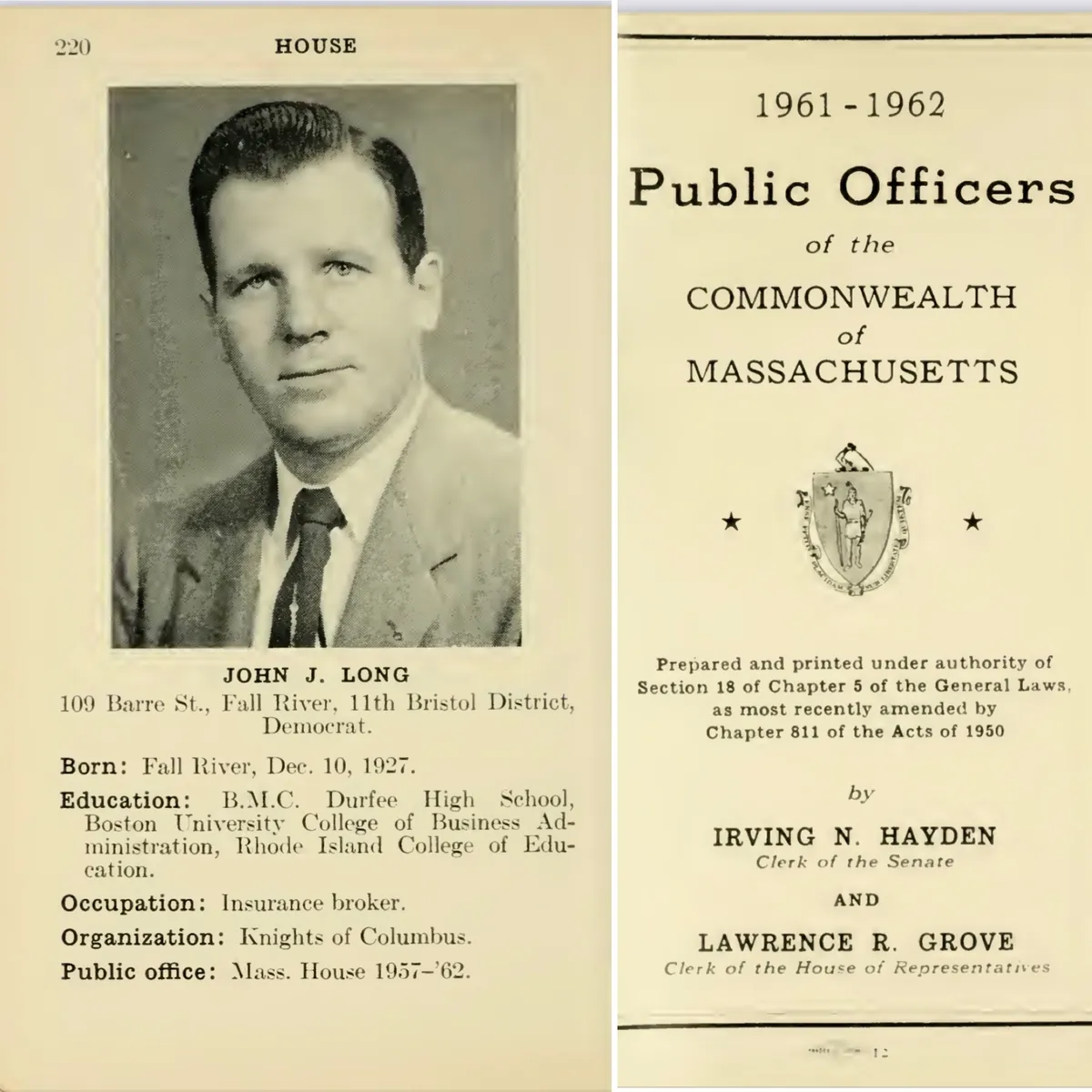
Representative John J. Long. Public Officers of the Commonwealth of Massachusetts, 1961-1962, p. 220
The Brothers’ Grandfather: Representative John J. Long (1927-1989)
Born December 10, 1927, in Fall River. Son of William F. Long and Susannah Long. Attended B.M.C. Durfee High School, All-Bristol County athlete 1946, co-captain football. Long attended Boston University and graduated from the University of Massachusetts. Korean War veteran, U.S. Army Military Police, rank of sergeant.
Education per obituary, Fall River Herald News, December 1989.
He was an early supporter of Senator John F. Kennedy and was present in the House Chamber for President-elect Kennedy’s “City on the Hill” address to the Legislature. He was a delegate to the 1968 Democratic National Convention in Chicago.
His brother William F. Long served as Bristol County Commissioner. He was a communicant of St. John the Baptist Roman Catholic Church, Westport.
In 1956 he was elected to the Massachusetts House of Representatives for the 11th Bristol District as a Democrat. He served continuously until 1980. Family recollection holds that he became Assistant Majority Leader; the official Public Officers of the Commonwealthvolumes, which print each member’s leadership title, give him none. He served on the committees for Federal Financial Assistance, State Administration, Ways and Means, Rules, and Interstate Cooperation.
He served Fall River in the House when Bristol Community College was founded (1965), and was among the earliest advocates for the merger of Bradford Durfee Textile Institute and New Bedford Textile Institute, which became Southeastern Massachusetts University and is today UMass Dartmouth. He championed Vietnam War memorial legislation and advocated for a swimming pool at Lafayette Park. In 1957 he co-founded Long and Parent Insurance Agency.
By family recollection, he was a personal friend of several governors of Massachusetts, including Michael Dukakis, with whom he served in the House.
He was a lifelong DNC member and, by family recollection, a political confidant of the Kennedy family for decades; their letters to him survive in the family collection.
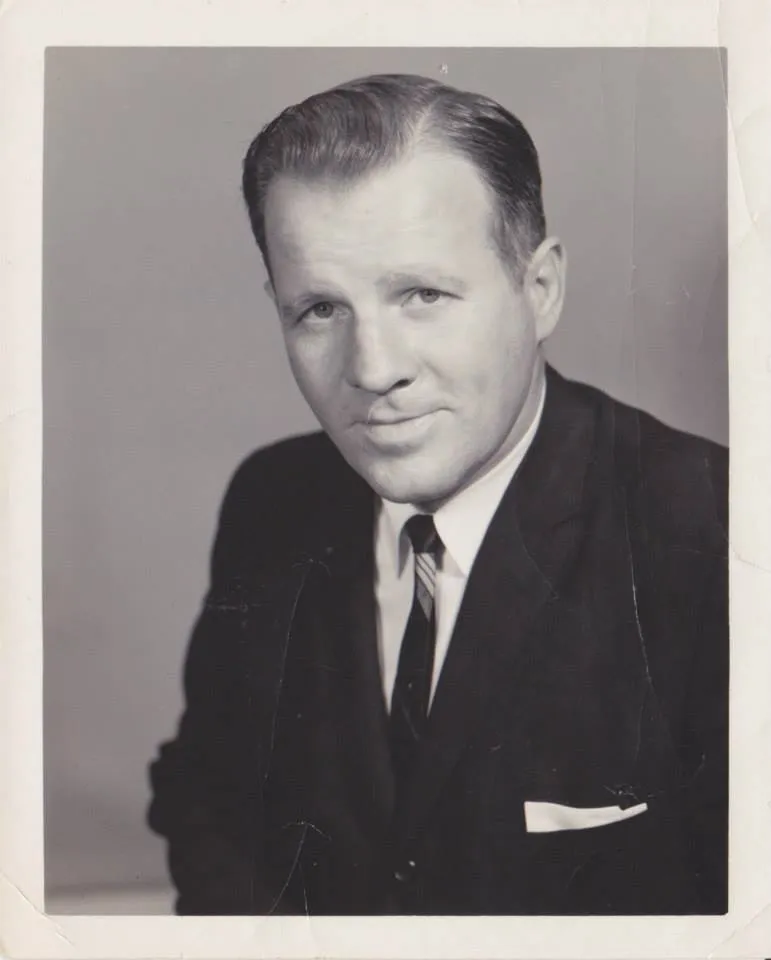
Representative John J. Long
The Athlete. Durfee Years
Before the Statehouse, before the Kennedy correspondence, there was the gridiron. Johnny Long, #32 on the 1944 undefeated Hilltopper squad, All-Bristol County 1946, co-captain of the football team at B.M.C. Durfee High School. Also captain of Holy Cross CYO basketball. 54 victories, 2 defeats.
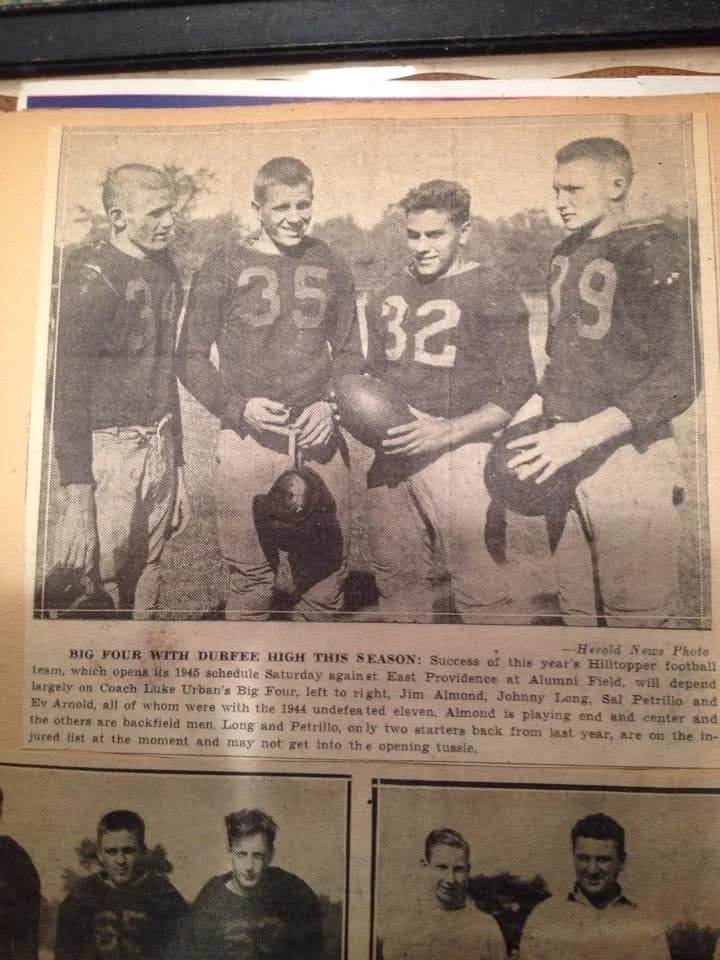
Herald News: “Big Four with Durfee High This Season”. Johnny Long (#32), 1945 Hilltopper football. Undefeated 1944 squad.
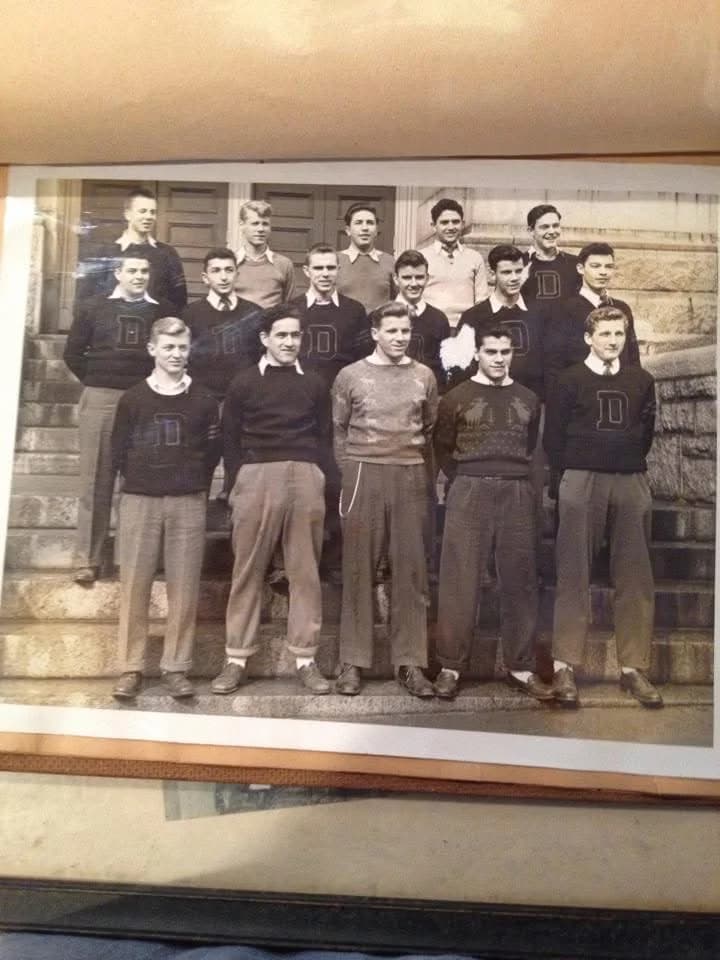
Durfee High lettermen. Johnny Long with schoolmates in varsity “D” sweaters.
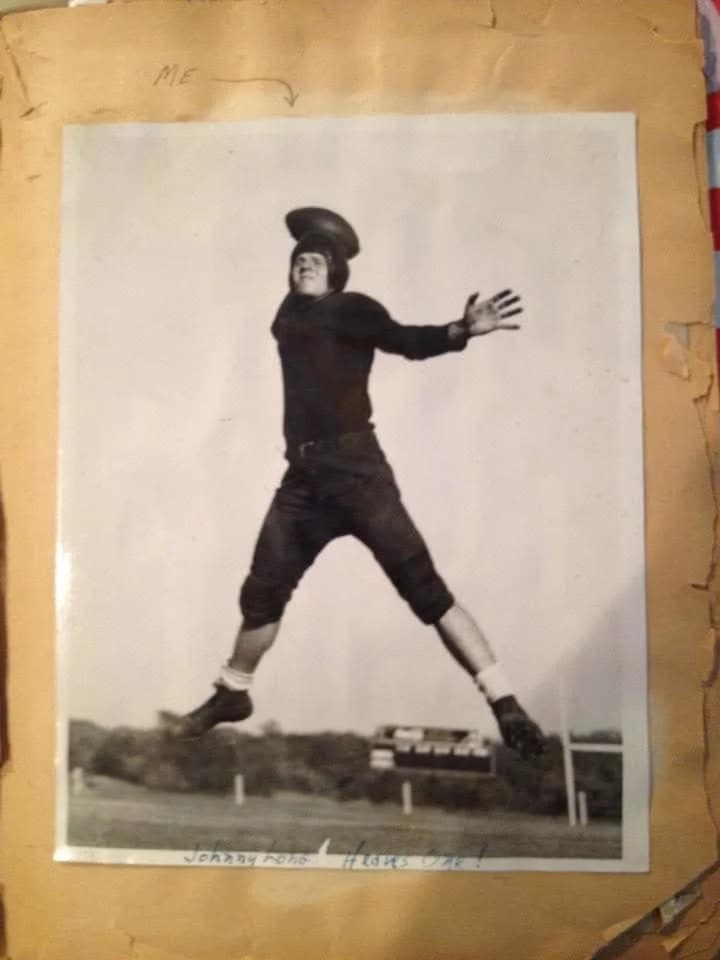
Johnny Long. “Hands One!”, action football photo, leather helmet era.
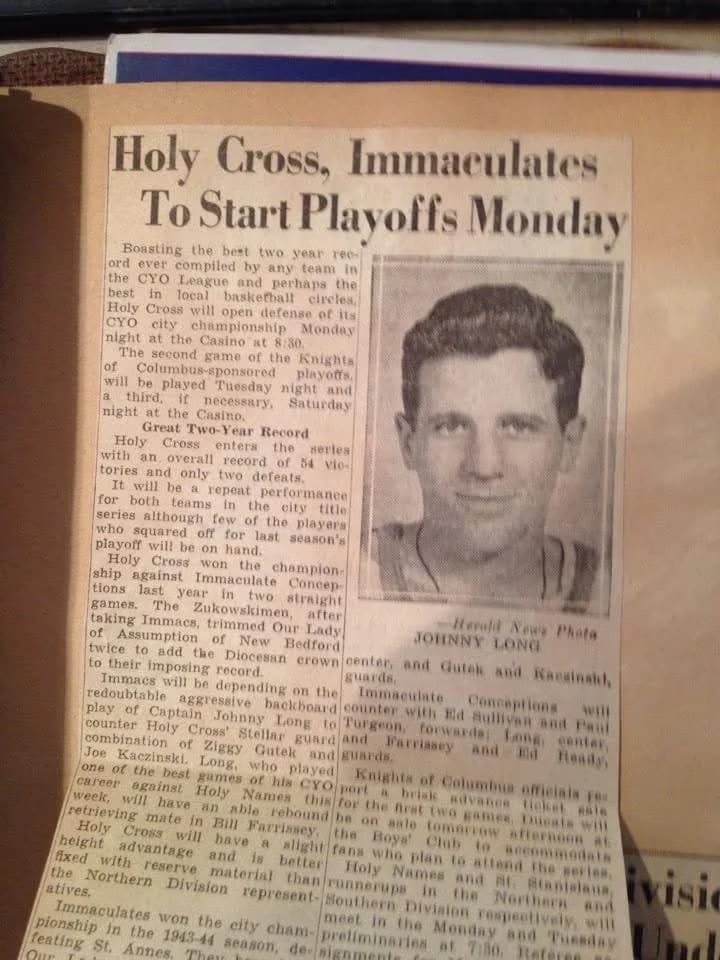
Herald News: Captain Johnny Long, Holy Cross CYO basketball. 54 victories, 2 defeats.
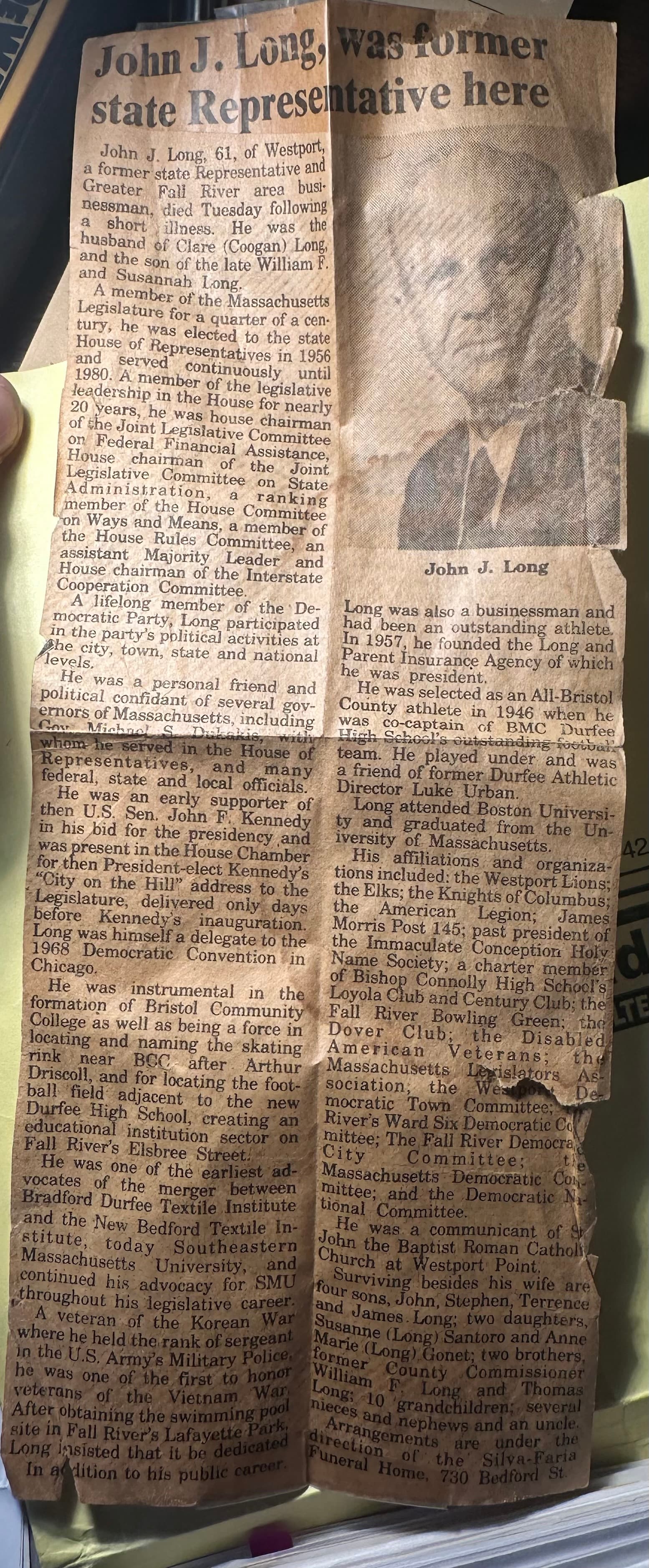
“John J. Long, was former state Representative here”, newspaper obituary, December 1989. “A member of the Massachusetts Legislature for a quarter of a century.”
The Kennedy Letters
November 13, 1956: JFKwrote on official U.S. Senate letterhead congratulating the brothers’ grandfather on his first election victory. “Rep. John J. Long, 1582 Pleasant Street, Fall River, Massachusetts.” Signed “Jack.”
November 10, 1966: Ted Kennedywrote to 109 Barre Street, Fall River. He crossed out “Dear Representative Long,” and wrote “John” by hand. A personal note praising “Pat and the ticket,” looking forward to a “building period.”
May 1980:Kennedy ’80 campaign letterhead to Westport, thanking him for the Massachusetts primary victory, with confidence in the June 3 contests.
These letters survive as original documents in the family’s possession. Their grandfather’s official portrait appears in the 1961-1962 Public Officers of the Commonwealth of Massachusetts directory, page 220.
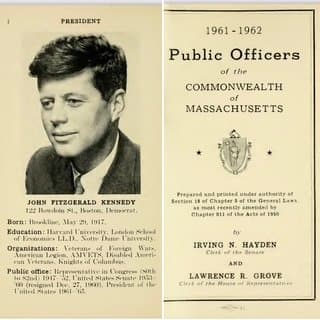
1961-1962 Public Officers of the Commonwealth of Massachusetts. President John F. Kennedy (left) and Representative John J. Long both appear in the same directory.
Kennedy Correspondence. Preserved in the Family Collection
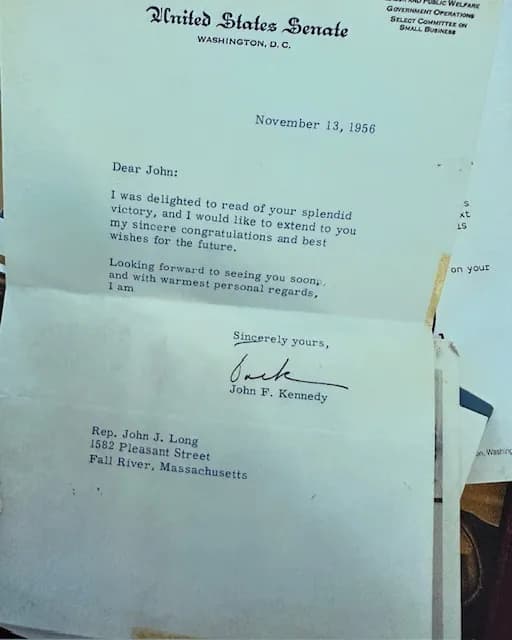
Senator John F. Kennedy to Rep. Long, November 13, 1956. Signed “Jack.”
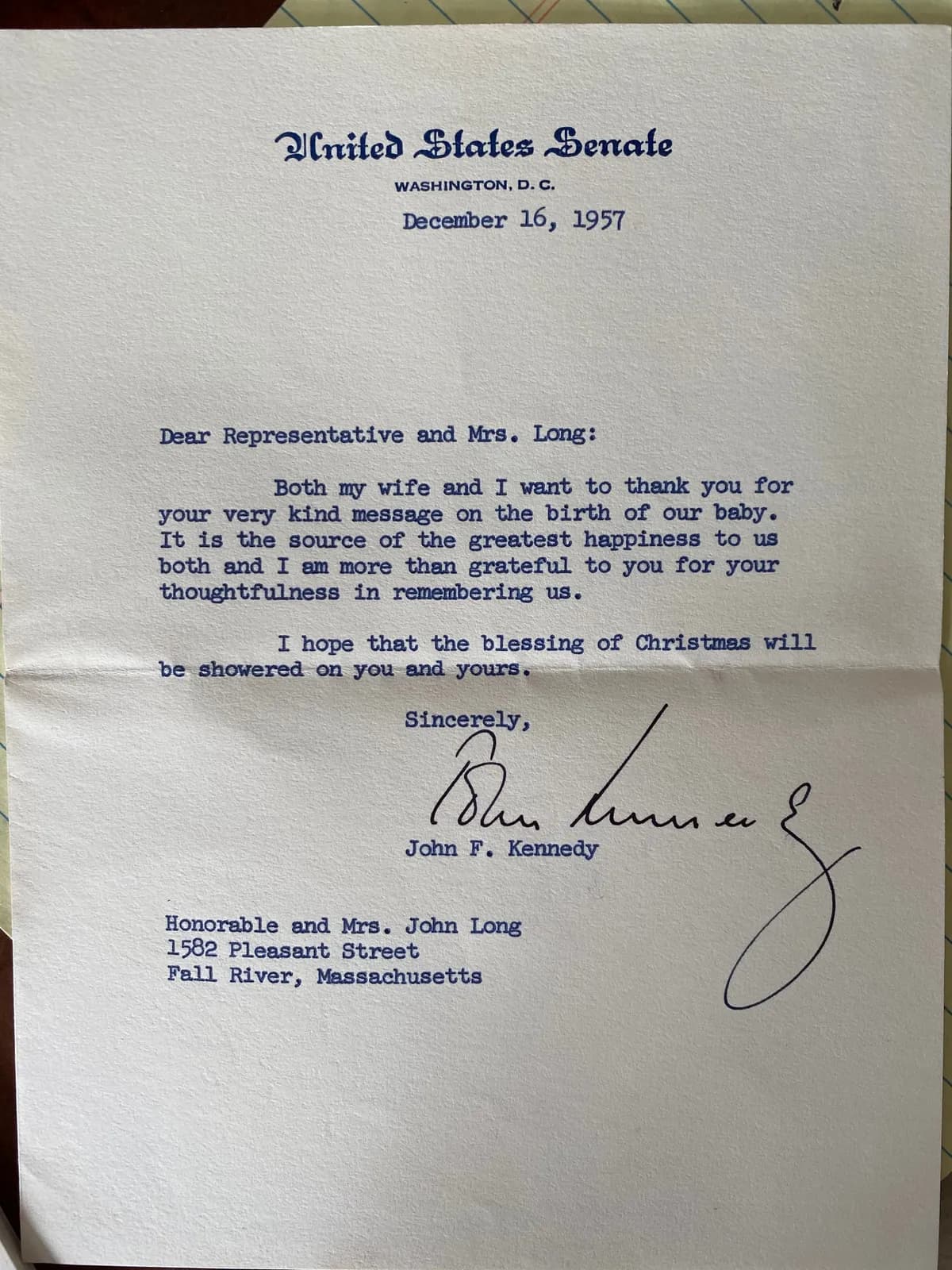
Senator Kennedy to the Longs, December 16, 1957, thanking them for congratulations on Caroline’s birth
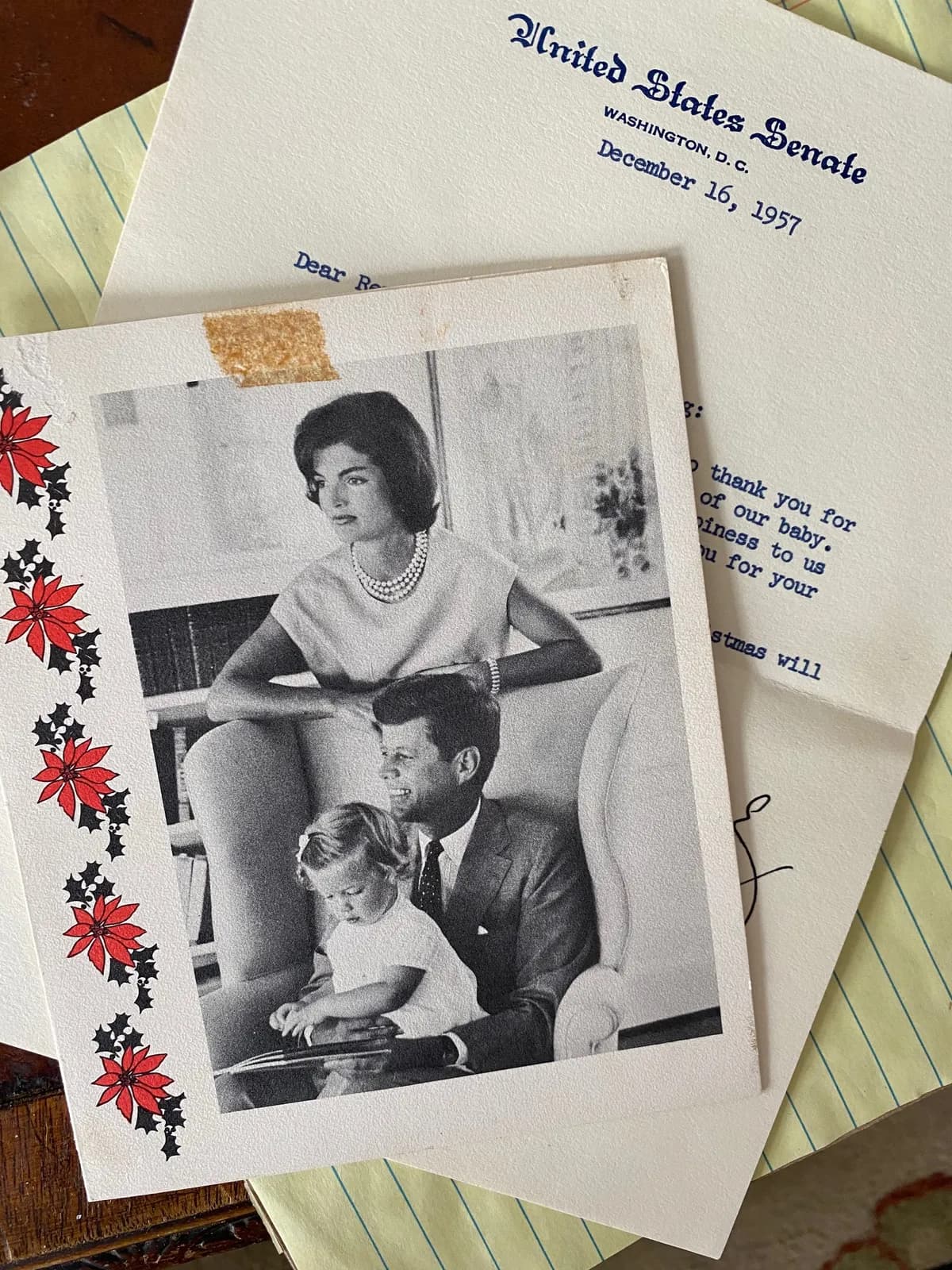
Kennedy family Christmas card, 1957
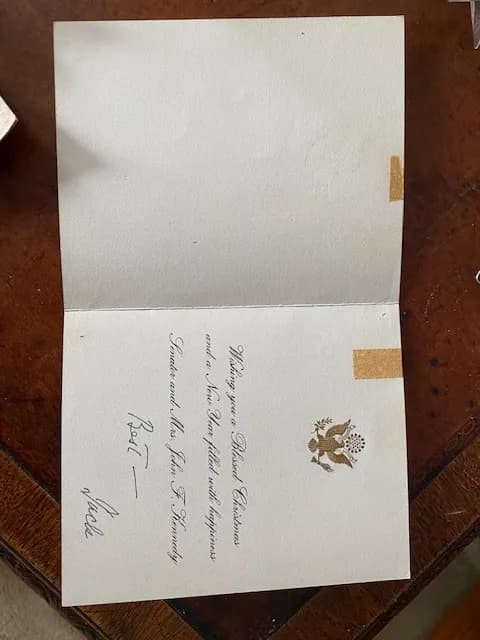
Interior, handwritten “Best, Jack”
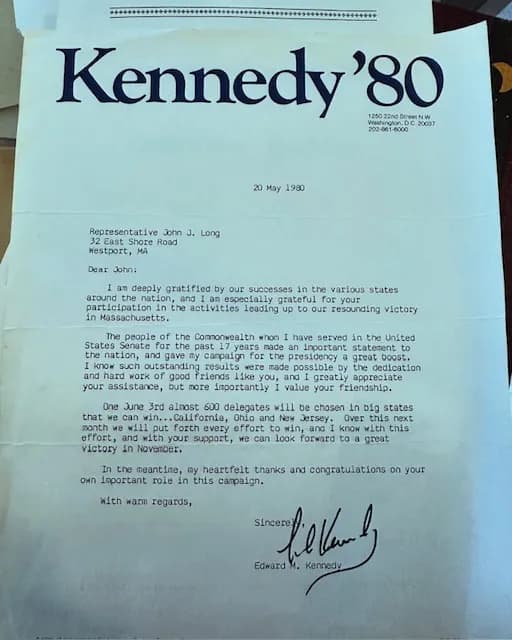
Senator Edward Kennedy to Rep. Long, May 20, 1980. Kennedy ’80 campaign
Statehouse & Beyond. The Political Gallery
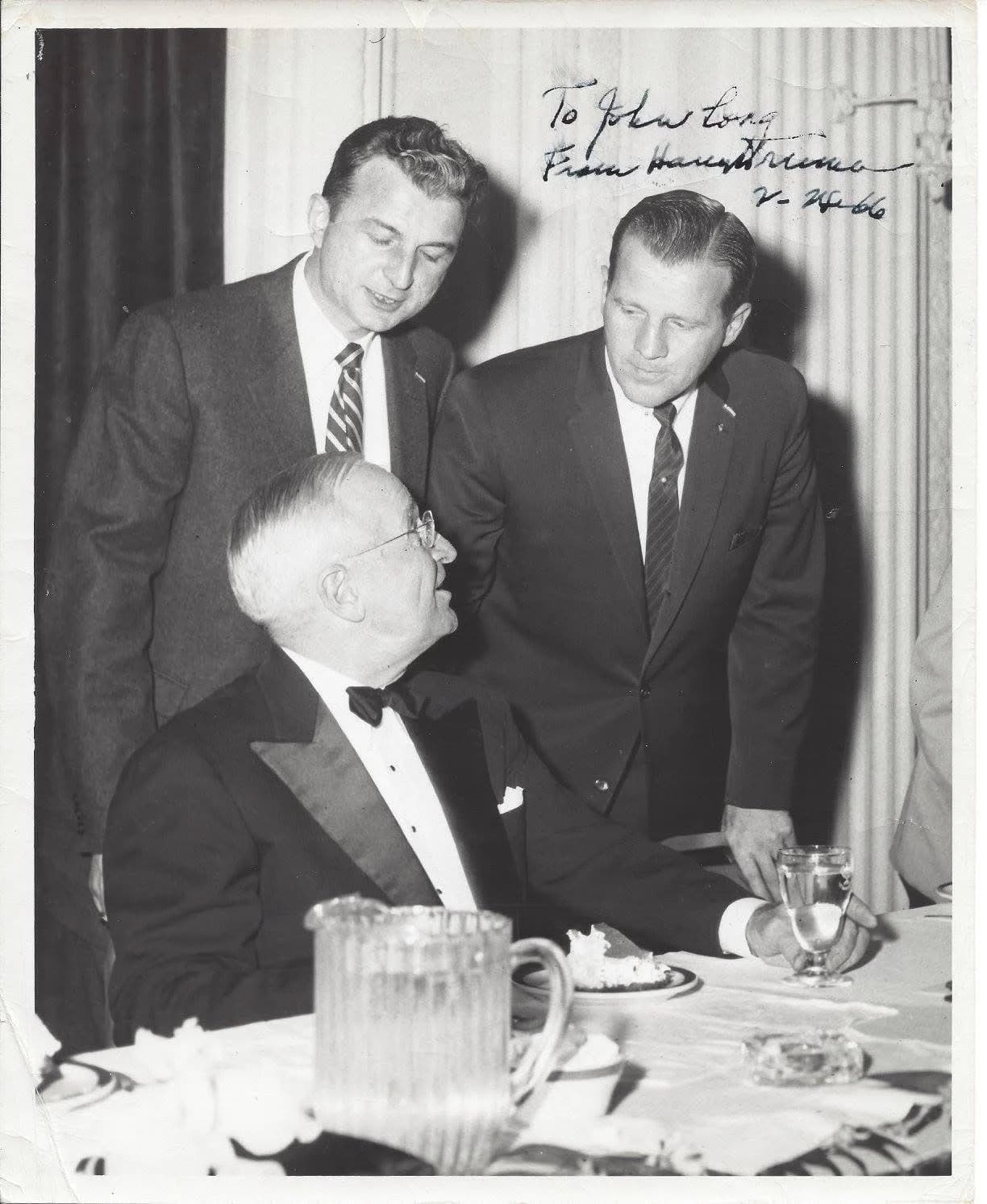
Bill Long and Rep. John J. Long with President Harry Truman, February 24, 1966. Signed “To John Long, From Harry Truman, 2-24-66.”
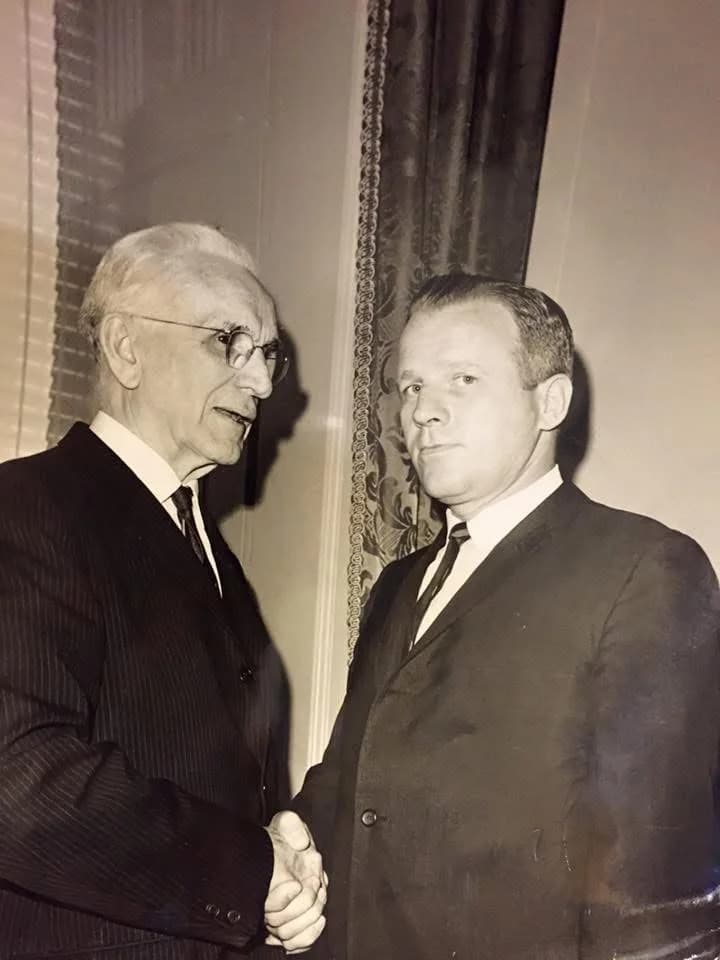
Rep. John J. Long with Speaker McCormack.
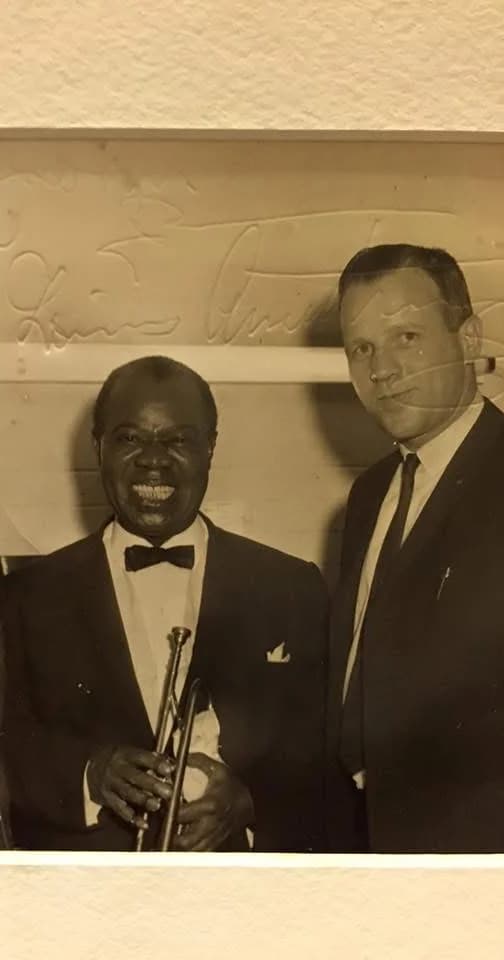
Rep. John J. Long with Louis Armstrong.
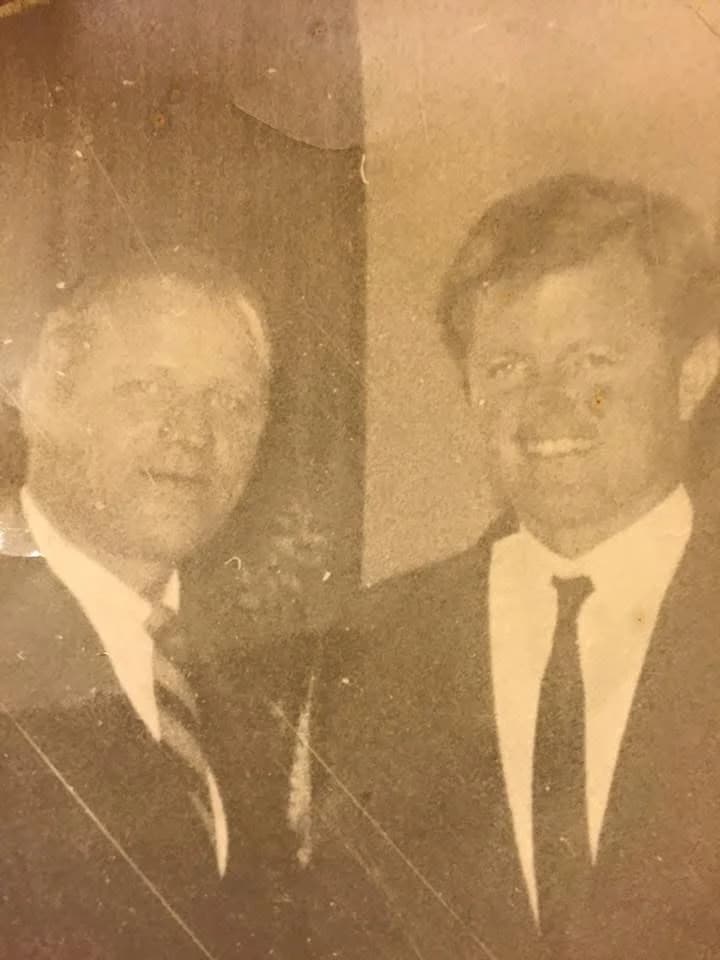
Rep. John J. Long with Senator Ted Kennedy, believed to be Hyannis Port (unconfirmed).
Public Higher Education
Rep. Long served Fall River in the House when Bristol Community College was founded (1965), and advocated the merger that became Southeastern Massachusetts University (later UMass Dartmouth).
He died on December 5, 1989, at age 61. He was survived by his wife Clare, four sons (John, Stephen, Terrence, James), two daughters (Susanne Santoro, Anne Marie Gonet), brothers William F. Long (Bristol County Commissioner) and Thomas Long, and ten grandchildren. Services were held at St. John the Baptist Roman Catholic Church, Westport.
Clare & John. Through the Years
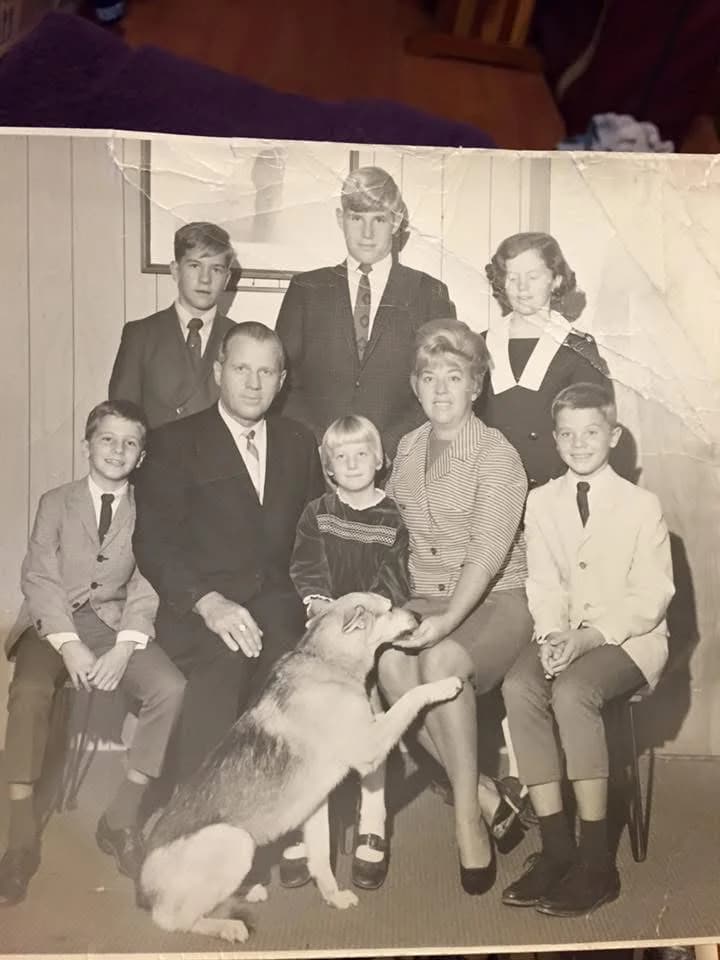
The Long Family. Rep. John J. Long and Clare Coogan Long with their six children.
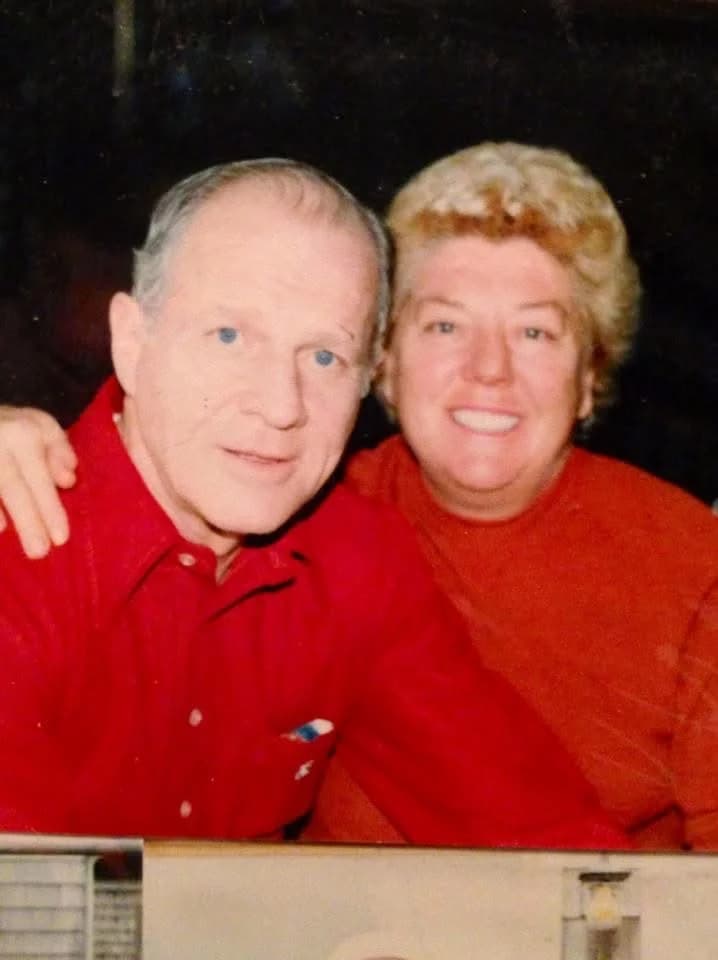
Rep. John J. Long and Clare Coogan Long, later years.
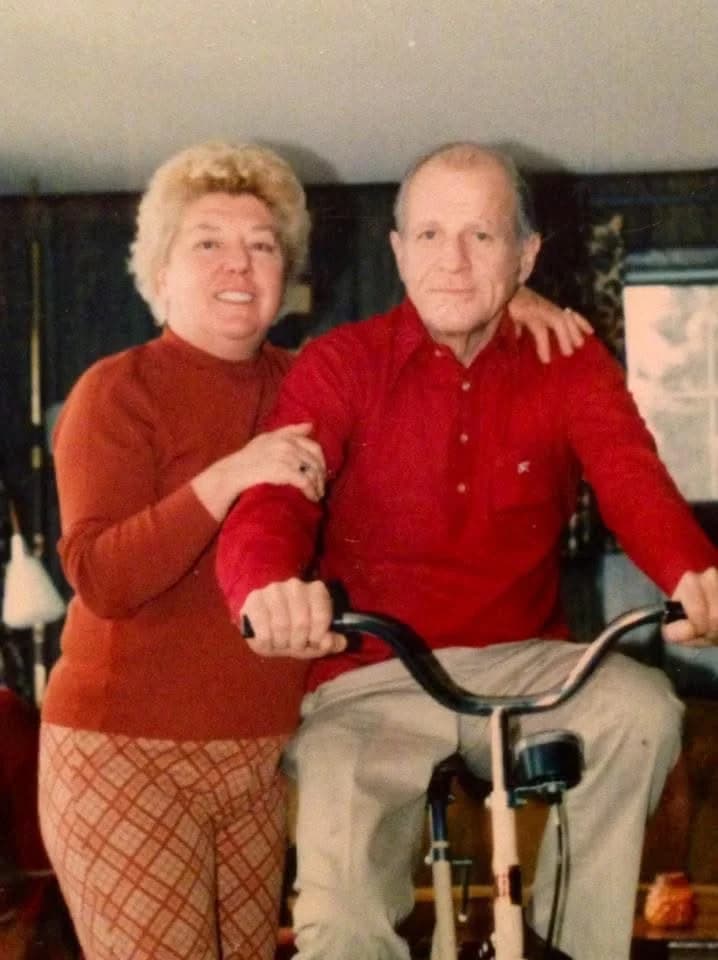
Clare Coogan Long and Rep. John J. Long on a stationary bike.
Generations
Four documented generations share the name John Long. John Long (Ireland, ~1835), Rep. John J. Long, John P. Long, and John F. Long, each with a different middle name, none formally a junior or a numeral. The name likely extends further back in Ireland.
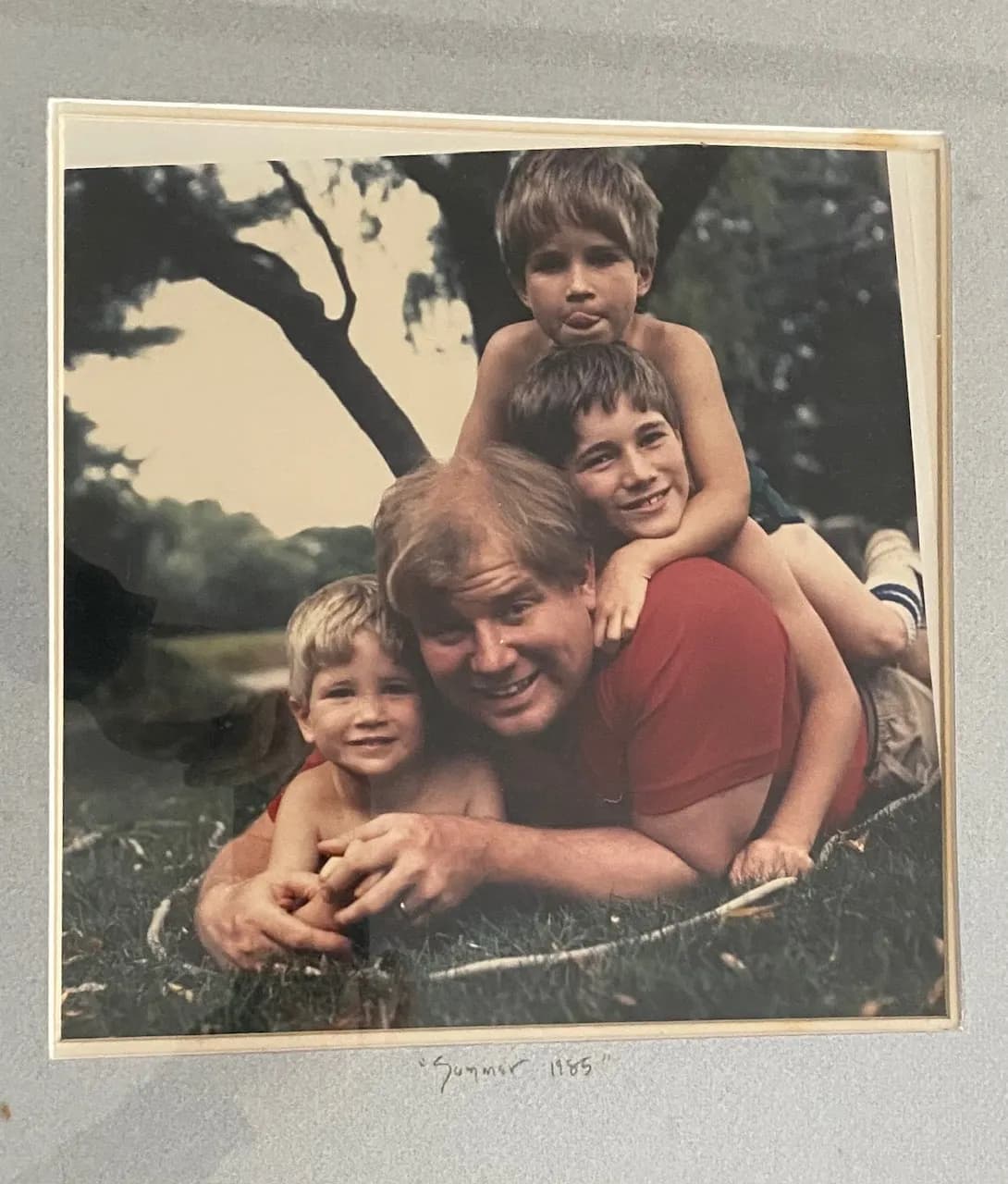
John Patrick Long with his three young sons. John, Perry, and Patrick.
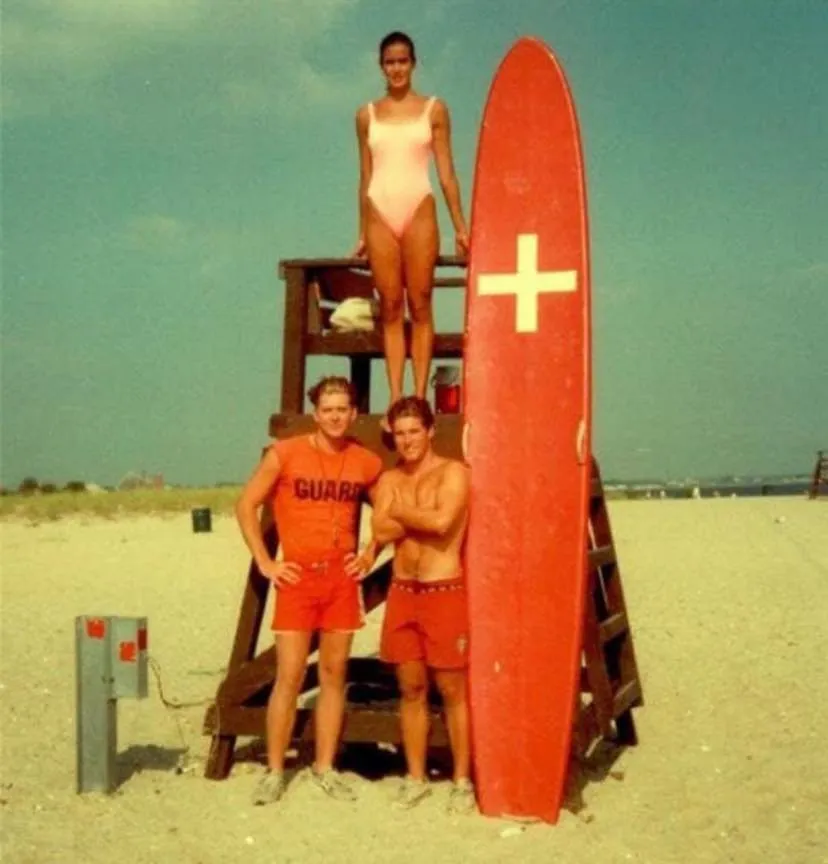
John Long lifeguarding at Fort Phoenix, Fairhaven.
The Ancient Origin: Seafarers
The Long surname in Ireland is not English. It is the anglicization of Ó Longaigh(also Ó Longáin), derived from the Gaelic word long, meaning “ship.” The name translates to “descendant of the seafarer”, a name given to families connected to Ireland’s maritime tradition along the southern coast.
The Ó Longaigh sept arose in County Cork, in the province of Munster. Ireland’s southern and most fertile region. The earliest records of the family date to the fourteenth century, showing them as landholders in the barony of Muskerry in central Cork. The branch known as the O’Longs of Cannaway(Ceann Abhann, “head of the river”) held lands in County Cork for centuries before losing them during the Cromwellian confiscations of the 1650s.
A second sept, Ó Longáin, also anglicized as Long, arose independently in County Donegalin the far northwest. Both names share the same linguistic root. long, “ship”, and both mean “seafarer.”
The Long coat of arms bears a lion rampant, symbolizing strength and courage. The family’s association with the sea, ships: harbors: coastal trade, is woven into the name itself.
Anglo-Norman or Gaelic?
As with many Irish surnames, there is a parallel Anglo-Norman origin. The name “le Long”(meaning “the tall one” in Norman French) arrived in Ireland after the Anglo-Norman invasion of 1172. Some Irish Longs descend from these Norman settlers rather than from the Gaelic Ó Longaigh.
For the Fall River Longs, the answer is likely Gaelic. The surrounding surnames in the family. Sullivan, Collins, Murphy, McNamara, Daley, are all deeply Gaelic and concentrated in Munster. This is not a Norman family. This is a Gaelic family from the hills and harbors of southern Ireland.
Munster: Where the Longs Come From
Unlike the Coogans, who came from Connacht in the west, the Longs come from Munster. Ireland’s southern province, encompassing Counties Cork, Kerry, Limerick, Clare, Tipperary, and Waterford. Munster was the seat of the ancient Kingdom of Desmond (South Munster), ruled for centuries by the McCarthy dynasty, and the Kingdom of Thomond (North Munster), ruled by the O’Briens, descendants of the legendary Brian Boru, High King of Ireland.
Cork, the most likely origin of the Long family, is Ireland’s largest county. Its coastline stretches from Kinsale to Youghal, dotted with harbors that gave the Ó Longaigh their name. The port of Cobh (Queenstown), just east of Cork City, was the last port of call for emigrant ships crossing the Atlantic, including the Titanic. Over 2.5 million Irish people departed from Cobh between 1848 and 1950.
Every surname in the Long family tree points to Munster:
| Surname | Origin | Gaelic Root | Meaning |
|---|---|---|---|
| SurnameLong | OriginCounty Cork | Gaelic RootÓ Longaigh | Meaning"Descendant of the seafarer" |
| SurnameSullivan | OriginCounty Cork / Kerry | Gaelic RootÓ Súilleabháin | Meaning"Dark-eyed one" |
| SurnameCollins | OriginCounty Cork / Limerick | Gaelic RootÓ Coileáin | Meaning"Whelp" / young warrior |
| SurnameDaley | OriginCounty Clare / Galway | Gaelic RootÓ Dálaigh | Meaning"One who attends assemblies", ancient poets and counselors |
| SurnameMcNamara | OriginCounty Clare | Gaelic RootMac Conmara | Meaning"Hound of the Sea" |
| SurnameMurphy | OriginCounty Cork (widespread) | Gaelic RootÓ Murchadha | Meaning"Sea warrior" |
| SurnameHaggerty | OriginCounty Donegal (spread south) | Gaelic RootÓ hÉigceartaigh | Meaning"Unjust" or "complainer", a name of character |
Five of seven surnames reference the sea: Long (ship), Sullivan (dark-eyed, coastal Cork/Kerry), McNamara (hound of the sea), Murphy (sea warrior), and Collins (young warrior of the coast). This is a family forged by the Atlantic.
The O’Longs of Cannaway
The most documented branch of the Ó Longaigh in Ireland is the O’Longs of Cannaway (Ceann Abhann), who held lands in the barony of Muskerry, County Cork. Muskerry sits in the Lee Valley west of Cork City: green, rolling hills cut by rivers, with the Boggeragh Mountains to the north.
The O’Longs were vassals of the McCarthy Muskerry lords, one of the branches of the ancient McCarthy dynasty. They held their lands through the medieval period, surviving the Anglo-Norman arrival, the Bruce Invasion (1315), and the Tudor reconquest. But during the Cromwellian Settlement of the 1650s, when Oliver Cromwell confiscated Catholic-held lands across Ireland and redistributed them to Protestant settlers, the O’Longs lost their estates.
This is the pattern: a Gaelic family, rooted in their land for centuries, dispossessed by conquest, reduced to tenant farming on land they once owned, and eventually driven out by famine.
The Sullivan Connection
Annie Sullivan (PID: 96B2-NCD), who married Thomas Long, brings one of Ireland’s most storied surnames into the family. The Ó Súilleabháin (O’Sullivan) clan was one of the great ruling families of Munster.
The O’Sullivans were originally based in County Tipperary but were pushed south and west by the Anglo-Norman invasion, eventually controlling vast territories in County Cork and County Kerry, including the Beara Peninsula and the area around Kenmare. The most famous episode in O’Sullivan history is the legendary O’Sullivan Beare’s March of 1603: after the fall of Dunboy Castle, Donal Cam O’Sullivan Beare led a thousand men, women, and children on a desperate 14-day, 300-mile winter march from Beara to Leitrim. Only 35 survived.
Annie’s father, Florence Sullivan (PID: 96B2-NZ7), carries a name. Florence, that is distinctly Munster Irish. Florence was a common male name in 19th century Irish families. The Gaelic form is Flaithrí or Fínghin, anglicized as Florence. It was common among the McCarthy and O’Sullivan families of Cork and Kerry. Florence Sullivan’s wife, Catherine Haggerty (PID: 96B2-NZC), brings a Donegal surname into the Munster mix, suggesting a family that may have moved south before emigrating.
Thomas & Annie’s Family
Thomas Long (PID: 9N29-8WD) worked as a city driver in Fall River. His wife Annie Sullivan (PID: 96B2-NCD) died suddenly at their home on Choate Street. She had been ailing for two years, but nothing serious was thought of her condition. She was out in the yard until 10:30 that night. By 2:15 AM she was gone. Dr. Barre was called but she was dead before the physician arrived.
She left eight children, all small: Catherine, Anna, William, John, Etta, Thomas, Frederick, and Frank. Annie’s brothers were Michael and Patrick Sullivan. Her sisters were Mrs. Mary Harrington and Mrs. Thomas Fleming. William, the third child, would become William Francis Long, father of Representative John J. Long.
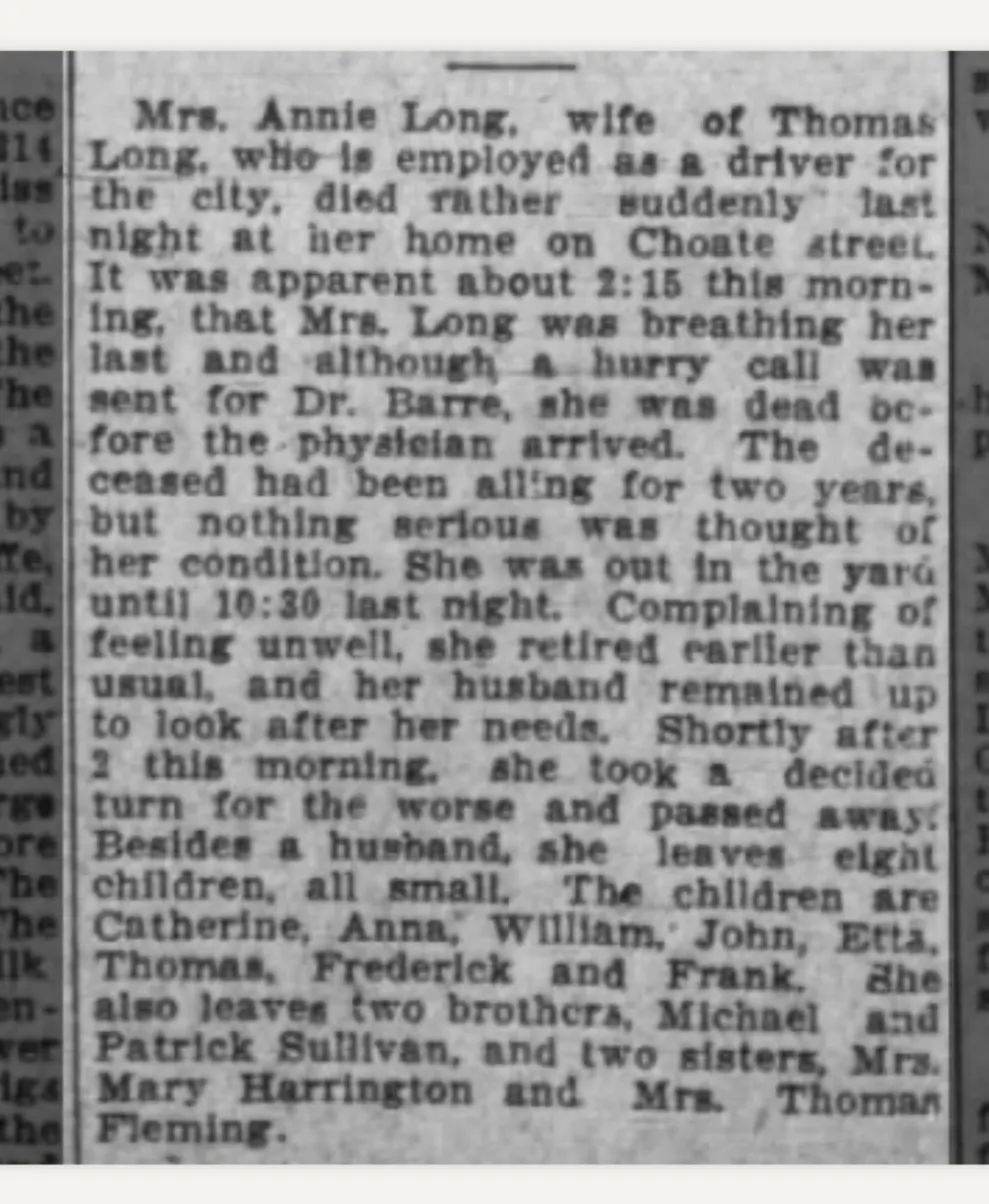
Mrs. Annie Long obituary, died suddenly at her home on Choate Street, Fall River. “Besides a husband, she leaves eight children, all small.” Thomas Long was left to raise Catherine, Anna, William, John, Etta, Thomas, Frederick, and Frank alone. William, the third child, would become William Francis Long, father of Representative John J. Long.
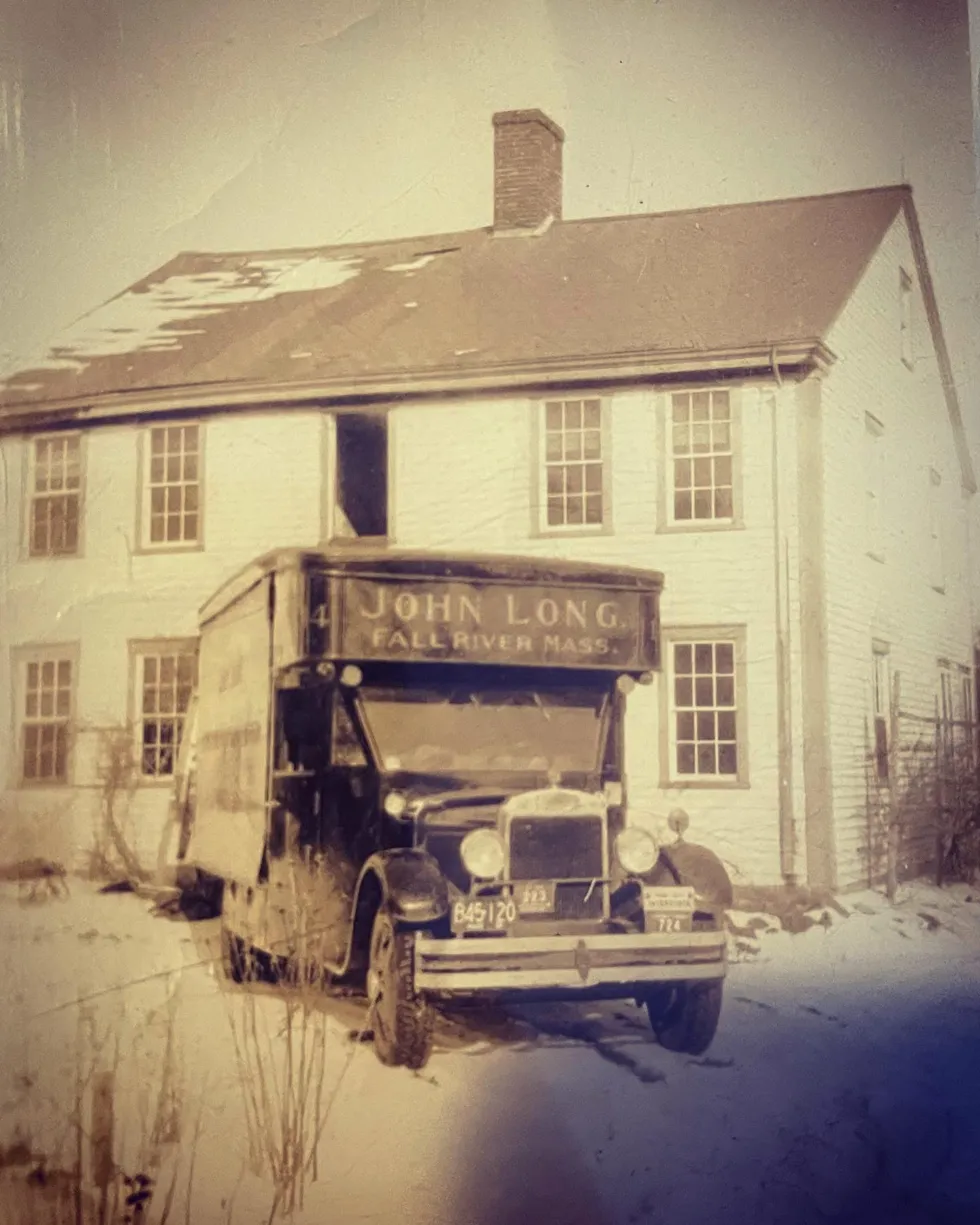
John Long, Fall River Mass.. William’s brother John ran a delivery and freight business in Fall River. International truck, circa late 1920s.
The Long Compound. Choate & Pleasant Streets
Thomas Long did not live in Fall River alone. His siblings clustered on the same block: a family compound along Choate Street paired with another group of houses on Pleasant Street. Immigrant families frequently lived this way, the block was the village.
Thomas’s brother Patrick Long married Mary E. Miller. Mary died when their daughter Mary E. Long was three years old. Patrick lived at 39 Choate Street, Fall River, his household included his sister Catharine and his older brother John Long. (Note: a different John Long. Thomas’s son, William Francis Long’s brother, is the John Long pictured above with the delivery truck. Two generations, two John Longs.)
Patrick’s daughter Mary E. Long married John Roach and lived on Eastern Avenue. They had two daughters: Margaret Roach and Dorothy Roach.
“All the Longs lived in that complex of houses along with the other group of houses on Pleasant Street.”
Source: Susanne Santoro Gerson, Long Family Facebook group, April 14, 2019.
The Daley/McNamara Line: Thomond and Brian Boru
Susanna G. Daley (PID: GYDG-LP3), who married William Francis Long and became Rep. Long’s mother, connects the family to County Clare and the ancient kingdom of Thomond (North Munster).
The Ó Dálaigh (Daley/Daly) were one of Ireland’s most distinguished families, for generations the poets and counselorsto the great chieftains. The name means “one who attends assemblies”, a person of learning and influence. The Ó Dálaigh produced some of medieval Ireland’s greatest bardic poets, including Donnchadh Mór Ó Dálaigh (d. 1244), whose verses are still studied today.
Susanna’s mother, Susanna McNamara (PID: G11S-BRN), carries the name Mac Conmara. “Hound of the Sea.”The McNamaras were the most powerful lords of eastern County Clare, second only to the O’Briens. Their territory centered on Bunratty Castle and the lands surrounding the Shannon Estuary.
The McNamaras were direct allies of Brian Boru, the High King of Ireland who united the Irish kingdoms and defeated the Vikings at the Battle of Clontarf in 1014. The McNamara sept served as marshals and military commanders for the O’Brien kings of Thomond for centuries afterward.
Through Susanna Daley and Susanna McNamara, Rep. John J. Long descends from the poets and the warriors of Thomond, the counselors who shaped Irish law and the soldiers who fought beside the High King.
The Lancashire Connection
The Irish families on the Long side didn’t come straight from Ireland to America. They crossed to England first, then made the Atlantic crossing, arriving through Boston. The 1881 English census confirms this pattern: John Daley and Susannah McNamara are recorded living in Walton Le Dale, Lancashire, with Susannah working as a cotton weaver.
The Long family has been in America for at least five generations. The migration path for these families was Ireland → England → Boston → Fall River.
The Collins Line: Young Warriors of Cork
Johanna Collins (PID: 96B2-NCT), who married William Long, brings the Collins surname. Ó Coileáin, meaning “whelp” or “young warrior.”
The Collins family is deeply rooted in County Cork. The most famous bearer of the name is Michael Collins (1890-1922), the revolutionary leader who negotiated Irish independence from Britain. While the archive cannot claim a direct connection, the surname concentration in Cork, where the Longs also originated, makes a shared geographic origin highly likely.
The pairing of Long and Collins, both Cork families, suggests that William Long and Johanna Collins may have come from the same parish or townland before emigrating. This was the pattern: people married someone from their home ground, even in America.
Battles & Historical Events
The Munster surnames in the Long family tree are woven through seven centuries of Irish military history, from the Battle of Clontarf, where the McNamaras fought beside Brian Boru, to the Cromwellian Confiscation that drove the O’Longs from their lands in Cork.
| Date | Event | Family Connection |
|---|---|---|
| Date1014 | EventBattle of Clontarf | Family ConnectionHigh King Brian Boru defeats the Vikings outside Dublin. The Mac Conmara (McNamara) sept served as marshals and military commanders for Boru and the O'Brien kings of Thomond. Susanna McNamara's ancestors fought this day. |
| Date1595-1603 | EventNine Years' War in Munster | Family ConnectionThe last great Gaelic rebellion against the Tudor conquest of Ireland. The O'Sullivans, McCarthys, and their vassals (including the O'Longs of Muskerry) resisted the English advance into Munster. |
| Date1601 | EventSiege of Kinsale | Family ConnectionSpanish forces landed in support of the Irish rebellion. English victory effectively ended Gaelic Ireland's independence. The Cork harbor is 40 miles from the O'Longs' Cannaway estates. |
| Date1602 | EventSiege of Dunboy Castle | Family ConnectionThe O'Sullivan Beare stronghold on the Beara Peninsula fell after a twelve-day siege. The garrison was hanged. Annie Sullivan's ancestors, the Ó Súilleabháin, lost their seat of power. |
| Date1602-03 | EventO'Sullivan Beare's March | Family ConnectionDonal Cam O'Sullivan Beare led 1,000 men, women, and children on a 300-mile winter retreat from Beara to Leitrim. Only 35 survived. Remembered as one of the great Irish sagas of endurance. |
| Dated. 1623 | EventDermitius O'Longy of Kanevey | Family ConnectionNamed in Cork records as chief of the O'Long sept. The last documented chief of the Ó Longaigh before the family's dispossession. Held lands at Cannaway in the barony of Muskerry. |
| Date1651 | EventBattle of Knockbrack | Family ConnectionCromwellian forces defeated Donough McCarthy, Viscount Muskerry, ending Gaelic resistance in Cork. The O'Longs, vassals of the McCarthy Muskerry, lost their overlord and their protection. |
| Date1654 | EventCromwellian Confiscation | Family ConnectionThe Civil Survey names "John Long, alias the O'Long, Irish papist" whose lands at Cooldrum, Coolnacarrigy, Clashyfaddy, and Coolnasoon were seized and redistributed to English soldiers. The dispossession that sent the Longs west, and eventually across the Atlantic. |
The 17th-Century Upheavals
In 1654, Oliver Cromwell’s Civil Survey confiscated the lands of “John Long, alias the O’Long, Irish papist” in Muskerry, County Cork. Cooldrum, Coolnacarrigy, Clashyfaddy, Coolnasoon. The O’Longs had been vassals of the McCarthy Muskerry lords for centuries. Cromwell erased that in a single decree. The family was reduced from landholders to tenants on land they once owned.
Within two centuries, famine would finish what Cromwell started, driving the Longs across the Atlantic to Fall River.
The other side of the family had left its old home a dozen years earlier. Tristram Coffin of Devon, of the maternal Coffins, emigrated to Massachusetts in 1642, the year the English Civil War began, and left no record of why. He went on to purchase Nantucket Island in 1659 and found the community that produced the maternal line documented in this archive.
Two departures, one era, both sides of the family.
See how Tristram Coffin left England →
See how the Coffin pattern of divided loyalties continued into the American Revolution →
On the two separate 17th-century departures (the Coffin emigration of 1642 and the O’Long Cromwellian confiscation of 1654), see audit/07-17th-century-departures.md.
The Famine and the Crossing
William Long (born 1835, Ireland) and Johanna Collins (born 1833, Ireland) are the earliest documented ancestors on the Long side. They were born into the decade that would destroy Ireland.
The Great Famine (An Gorta Mór, 1845-1852) killed one million and drove another million out. Cork and Clare, the counties most likely to be home for this family, were devastated. The port of Cobh, just outside Cork City, became the departure point for hundreds of thousands of desperate emigrants.
William and Johanna likely crossed the Atlantic in the late 1840s or 1850s. “coffin ships” packed with the starving and the sick, bound for Boston, New York, or Providence. They settled in the Fall River area, where the Irish parish networks offered community.
The Longs of Fall River were not recorded in the mills. In 1900, 1910 and 1920 the census found Thomas Long in Ward 6 as a teamster, for the City by 1910. In 1920 his working children were a hospital nurse, a teamster for a contractor, a bookkeeper, a garage apprentice and a stenographer at a shipyard. The mill and print-works families of the paternal side were the Coogans and Manions of Warwick and West Warwick, Rhode Island.
Source: “United States Census,” 1900, 1910 and 1920, Thomas Long household, Fall River Ward 6 (FamilySearch M952-PGT, M2N5-NRP, MXTR-6Q2; NARA T623 roll 636, ED 143, sheet 6A; T624 roll 577, ED 154, sheet 17A; T625 roll 684, ED 77, sheet 11A).
Their son Thomas Long (born 1863) married Annie Sullivan (born 1866), both children of Famine emigrants, both carrying Munster surnames. Their son William Francis Long (born 1897) married Susanna G. Daley (born 1891), joining the Cork and Clare lines. Their son was Representative John Joseph Long (born 1927), the man who would shake hands with Jack Kennedy and serve 24 years in the Massachusetts State House.
From the stony fields of Muskerry to the State House on Beacon Hill. Three generations.
Census Records. William Long & Johanna Collins
Two federal census enumerations document the William Long household in Fall River. Their son Thomas Long (b. ~1863) is the direct ancestor of this line, he later married Annie Sullivan.
- William Long. 38, Ireland, Teamer (head of household)
- Joanna Collins Long. 34, Ireland
- Children: Margaret (16), Catherine (15), Patrick (14), John (8), Thomas (7) ← direct ancestor
- William Long. 45, Ireland
- Johannah Collins Long. 50, Ireland
- Children: Margaret (24), Catharine (22), John (18), Thomas (16) ← direct ancestor
Note: Not to be confused with William Long + Johanna Fitzgerald of Fitchburg, Worcester County, different family, different children.
Age discrepancies between the 1870 and 1880 enumerations (William ages 10 years from 38 to 45; Johanna jumps from 34 to 50) were common among Irish immigrants who did not know exact birth years. Census ages from this era are approximate.
Two Provinces, One Family
The Long family’s Irish heritage comes from Munster. Cork, Kerry, Clare. Seafarers, poets, warriors, young hounds of the sea.
Clare Patricia Coogan’s family came from Connacht. Galway, Roscommon. Hounds of war, the ancient kingdom of Uí Maine. See The Coogan Line.
When Clare Coogan married John Joseph Long, two of Ireland’s oldest provinces merged in a single Fall River family. Munster met Connacht in Massachusetts. The seafarers married the warriors. And their descendants built the family documented in this archive.
All Irish Lines. Combined Surname Map
| Surname | Province | County | Gaelic Root | Meaning |
|---|---|---|---|---|
| SurnameLong | ProvinceMunster | CountyCork | Gaelic RootÓ Longaigh | MeaningSeafarer |
| SurnameSullivan | ProvinceMunster | CountyCork / Kerry | Gaelic RootÓ Súilleabháin | MeaningDark-eyed one |
| SurnameCollins | ProvinceMunster | CountyCork / Limerick | Gaelic RootÓ Coileáin | MeaningYoung warrior |
| SurnameDaley | ProvinceMunster/Connacht | CountyClare / Galway | Gaelic RootÓ Dálaigh | MeaningPoet / counselor |
| SurnameMcNamara | ProvinceMunster | CountyClare | Gaelic RootMac Conmara | MeaningHound of the Sea |
| SurnameMurphy | ProvinceMunster | CountyCork | Gaelic RootÓ Murchadha | MeaningSea warrior |
| SurnameHaggerty | ProvinceUlster | CountyDonegal | Gaelic RootÓ hÉigceartaigh | MeaningComplainer / unjust |
| SurnameCoogan | ProvinceConnacht | CountyGalway / Roscommon | Gaelic RootMac Cogadháin | MeaningHound of War |
| SurnameManion | ProvinceConnacht | CountyGalway | Gaelic RootÓ Mainnín | MeaningUí Maine kingdom |
| SurnameCarrabine | ProvinceConnacht | CountyGalway / Mayo | Gaelic RootMac Cairbreáin | MeaningWestern Connacht |
| SurnameKelgallon | ProvinceConnacht | CountyGalway / Roscommon | Gaelic RootMac Giolla Cheallaigh | MeaningWestern Irish |
| SurnameConnolly | ProvinceConnacht | CountyGalway | Gaelic RootÓ Conghaile | MeaningFierce as a wolf |
| SurnameKeely | ProvinceConnacht | CountyGalway | Gaelic RootÓ Cadhla | MeaningGraceful |
Thirteen Irish surnames. Two provinces. One family.
The Long/Sullivan Line (Irish)
| Name | Born | PID | Relationship |
|---|---|---|---|
| ●John Patrick Long | 1951 or 1952 | GGL9-891 | Father of John, Perry, and Patrick |
| ●John Joseph Long | 1927 | GGL9-JC6 | Paternal grandfather via the Long line |
| ●William Francis Long | 6 Oct 1897 | KLCB-RH1 | Paternal great-grandfather via the Long line |
| ●Thomas Long | 27 May 1863 | 9N29-8WD | 2nd great-grandfather via the Long line |
| ●William Long | 1835 | 9W6P-WCR | 3rd great-grandfather via the Long line. Ireland |
| ●Johanna Collins | 1833 | 96B2-NCT | 3rd great-grandmother via the Long line. Ireland |
| ●Annie Sullivan | 16 Dec 1866 | 96B2-NCD | 2nd great-grandmother via the Sullivan line |
| ●Florence Sullivan (male) | ? | 96B2-NZ7 | 3rd great-grandfather via the Sullivan line |
| ●Catherine Haggerty | ? | 96B2-NZC | 3rd great-grandmother via the Sullivan line. Florence’s wife, Annie’s mother |
The Daley/McNamara Line (Irish)
| Name | Born | PID | Relationship |
|---|---|---|---|
| ●Susanna G. Daley | 16 Jul 1891 | GYDG-LP3 | Paternal great-grandmother via the Long line (Daley branch) |
| ●John Daley | 1853 | G113-2W4 | 2nd great-grandfather via the Long line (Daley branch) |
| ●John Daley | 1821 | P96G-4ML | 3rd great-grandfather via the Long line (Daley branch). Ireland |
| ●Catherine Murphy | 1834 | P96G-CPW | 3rd great-grandmother via the Long line (Daley branch). Ireland |
| ●Susanna McNamara | 1857 | G11S-BRN | 2nd great-grandmother via the Long line (McNamara branch) |
| ●Michael McNamara | ? | P96G-F6B | 3rd great-grandfather via the Long line (McNamara branch). Ireland |